
Creative Art Activities for Infant Classrooms That Support Early Development
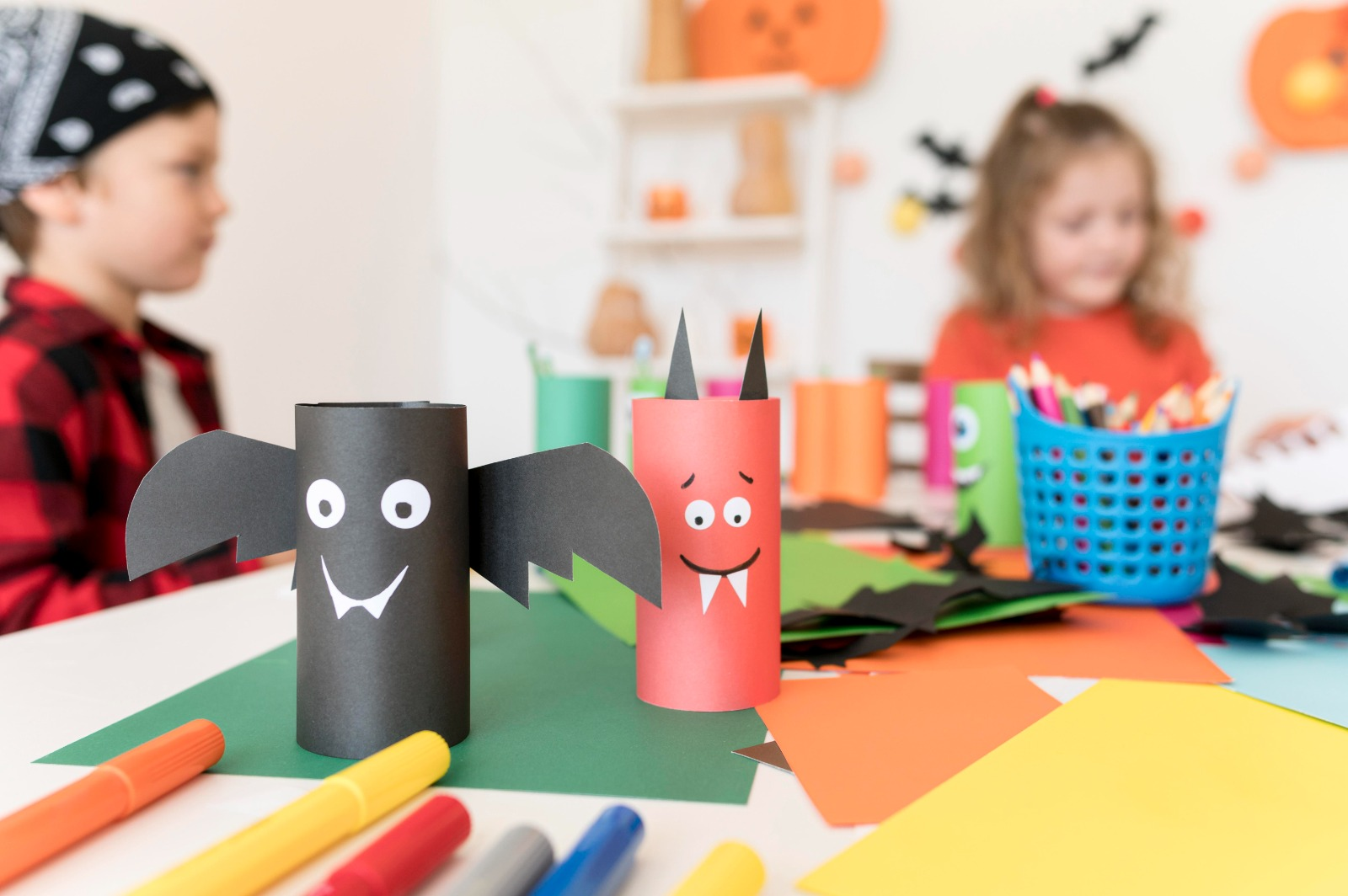
There’s something quietly magical about an infant classroom like the soft giggles, tiny hands reaching out, and the first curious touches of the world around them. In these early moments, art activities for infants in daycare are not just about play, they are the beginning of discovery. Every color, texture, and movement helps babies make sense of a brand-new world. What may look like simple fun is actually shaping how they feel, think, and grow.
Why Art Activities for Infants in Daycare Matter
In infant classrooms, creativity isn’t about results; it’s about experience. These early interactions quietly build the foundation for emotional, sensory, and cognitive growth. Through creative activities for infant classrooms, babies begin to explore their environment in a safe and comfortable way. Each small activity becomes a meaningful step toward understanding the world around them.
1. The Role of Sensory Exploration
Sensory exploration is at the heart of early learning. Infants don’t learn through instructions they learn by touching, feeling, and observing. When they interact with different textures, colors, and movements, their brains begin forming important connections. Simple moments of discovery can turn into powerful learning experiences through infant sensory play ideas.
How Sensory Play Supports Growth
Sensory play may seem simple, but it plays a big role in development. It helps infants become more aware of their surroundings while gently encouraging curiosity. Over time, these experiences support both physical and emotional growth in a natural way.
- Builds early brain connections
- Helps develop fine motor skills
- Encourages curiosity and exploration
- Supports emotional comfort and self-expression
2. Building Emotional Connections Through Art
Art is not just about creativity, it’s also about connection. When caregivers engage in creative activities with infants, they create moments of trust and bonding. A smile, a gentle touch, or shared laughter during an activity can help babies feel secure. These small interactions build strong emotional foundations that support healthy development.
Why Emotional Development Matters Early
Emotional development begins from the very first experiences a child has. Feeling safe and supported allows infants to explore more confidently. Creative activities give them a safe space to express themselves, even before they have words.
- Helps infants feel safe and valued
- Builds confidence through exploration
- Strengthens caregiver-child relationships
Simple and Meaningful Art Activities for Infant Classrooms
Creating meaningful experiences doesn’t require complex materials or detailed planning. Often, the simplest activities leave the biggest impact. The goal is to provide opportunities for infants to explore freely and safely. These early development activities for babies help build important skills while keeping the experience joyful and engaging.
1. Mess-Free Painting Exploration
This activity allows infants to experience color and movement without the stress of cleanup. By placing paint in a sealed bag, babies can press, touch, and explore safely. It creates a fun and engaging experience while keeping the environment calm and manageable for educators.
Benefits
This simple activity supports both sensory and visual development. It encourages infants to explore movement and color in a safe and controlled way, helping them build confidence in their interactions.
- Encourages visual tracking
- Builds hand-eye coordination
- Safe and clean sensory experience
2. Texture Discovery Boards
Texture boards introduce infants to a variety of materials in one place. Soft fabrics, sponges, and gentle textures give babies the chance to explore through touch. These experiences help them understand differences in surfaces while keeping them engaged and curious.
Benefits
Exploring different textures supports sensory awareness and helps infants become more comfortable with new experiences. It also strengthens their ability to focus and interact with their environment.
- Supports brain development
- Enhances sensory awareness
- Encourages tactile exploration
3. Color Play with Everyday Objects
Using simple, colorful objects can create meaningful learning moments. Items like scarves or soft toys can introduce infants to colors in a playful and natural way. These activities are easy to set up and can be repeated regularly to build familiarity.
Benefits
Color play supports early recognition and encourages infants to engage visually. It also helps create joyful and stimulating moments that support overall development.
- Stimulates curiosity
- Builds visual recognition
- Encourages movement and engagement
4. Gentle Music and Movement Art
Combining music with movement adds another layer to creative exploration. Soft sounds and gentle motion help infants connect rhythm with physical expression. This type of activity creates a calm and enjoyable environment.
Benefits
Music and movement support both emotional and physical development. They help infants feel relaxed while encouraging coordination and expression.
- Creates a calming environment
- Encourages emotional expression
- Supports rhythm and coordination
Creating a Safe and Nurturing Creative Space
A thoughtfully prepared environment helps infants feel secure and ready to explore. Space should invite curiosity while maintaining safety and comfort. When babies feel at ease, they are more likely to engage in creative activities and enjoy the experience fully.
Key Elements of a Creative Infant Space
Designing an infant classroom with care ensures that every activity becomes meaningful. A balance of safety, comfort, and encouragement creates the perfect environment for growth. Small changes in the setup can make a big difference in how infants interact with their surroundings.
Safety First
Safety is always the top priority in any infant classroom. Using appropriate materials and maintaining supervision ensures that every activity remains positive and stress-free.
- Always supervise activities closely
- Use non-toxic, baby-safe materials
- Ensure all items are large enough to prevent choking
Comfort and Familiarity
A familiar and calming environment helps infants feel secure. When they feel safe, they are more open to exploring and trying new experiences.
- Keep routines consistent
- Create a cozy space for exploration
- Use soft lighting and calming colors
Encouragement Over Perfection
In infant classrooms, the process matters more than the outcome. Encouraging exploration without pressure helps build confidence and curiosity.
- Celebrate effort and curiosity
- Allow infants to explore at their own pace
- Focus on the experience, not the outcome
Supporting Educators and Daycare Owners
For educators and daycare owners, creating these moments doesn’t have to feel overwhelming. Small, thoughtful activities can easily fit into daily routines. With the right approach, creativity can become a natural part of care rather than an added task.
Making Creativity Part of Everyday Care
Incorporating art into everyday routines helps create consistency and comfort for infants. It also allows educators to observe growth and engagement more closely. Over time, these small efforts lead to meaningful developmental progress.
Keep It Simple
Simple activities are often the most effective. Using everyday items can create engaging experiences without adding complexity.
- Focus on easy-to-set-up activities
- Use available resources creatively
- Avoid overcomplicating the process
Observe and Adapt
Every infant is different, and observing their responses helps tailor activities to their needs. Flexibility ensures that each child feels comfortable and engaged.
- Encourage individual exploration
- Adjust based on comfort and interest
- Watch how infants respond to activities
Create Consistent Moments
Consistency helps infants feel secure and builds familiarity with activities. Short, regular sessions can have a lasting impact.
- Keep timing consistent
- Build routine through repetition
- Add small creative sessions daily
The Lasting Impact of Early Creativity
The beauty of these early experiences lies in their simplicity. A small moment of play today can shape confidence, curiosity, and emotional well-being for years to come. When infants are given the freedom to explore and express themselves, they begin to build a strong foundation for lifelong learning.
For daycare centers, these moments also build trust with families. Parents feel reassured knowing their children are engaged in meaningful, nurturing activities. In the end, art activities for infants in daycare are not just about creativity, they are about creating moments that truly matter.
How Many Giggles Supports Your Daycare Every Day
Managing these meaningful moments becomes easier with the right support. Many Giggles help daycare centers stay organized, track each child’s activities, and share those special learning moments with parents without added stress. It gives educators more time to focus on what truly matters: care, connection, and creativity.
Start simplifying your daycare today, book your free demo and grow your daycare.
- By
- John Doe
Share this post
Related Blogs

How to Reduce Daycare Admin Time by 2 Hours a Day?
How Home Daycare Software in Canada Helps Manage Childcare Better
How Childcare Management Software Newfoundland Helps Daycares Save Time